Five Businesses. One Integrated Vision.
PAMAJA Group brings together food, waste management, livestock and meat, fisheries and aquaculture, and poultry farming businesses working across important production and value chains in Tanzania and East Africa.
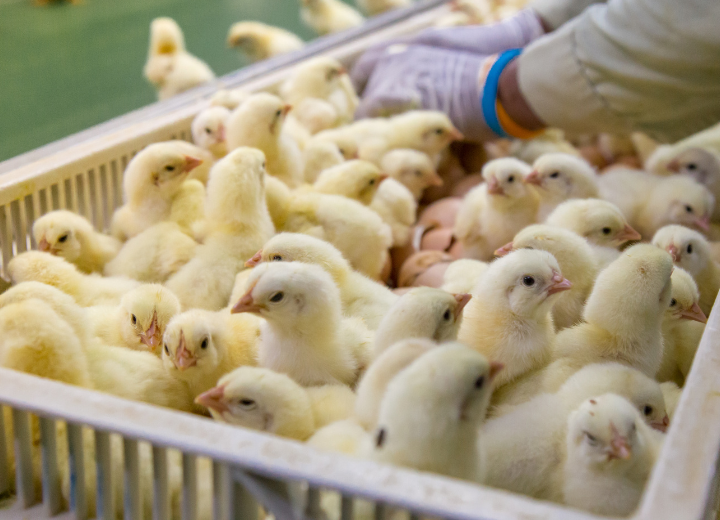
A Diversified Group Built Around Real Value Chains
PAMAJA Group operates through five complementary businesses designed to participate in important economic activities including food production, livestock, fisheries, poultry and environmental management.
Our business model combines production, aggregation, processing, distribution, market access and responsible resource management.
Each business has its own specialized focus while contributing to the wider PAMAJA vision of building sustainable enterprises and creating value for customers, producers, communities and partners.

PAMAJA Foods
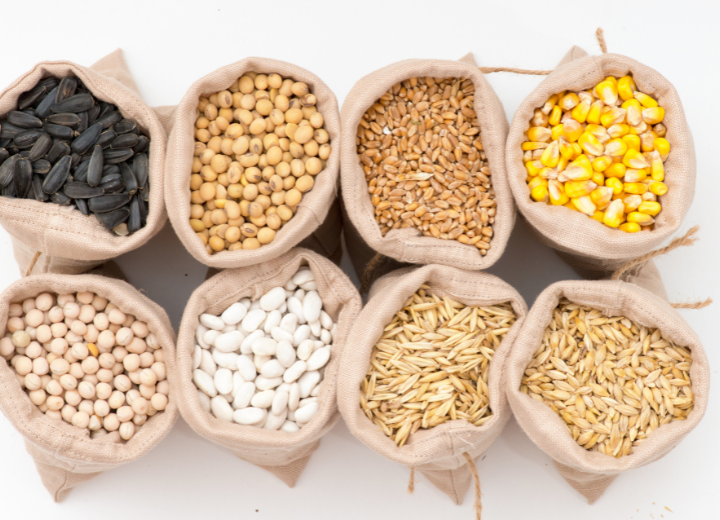
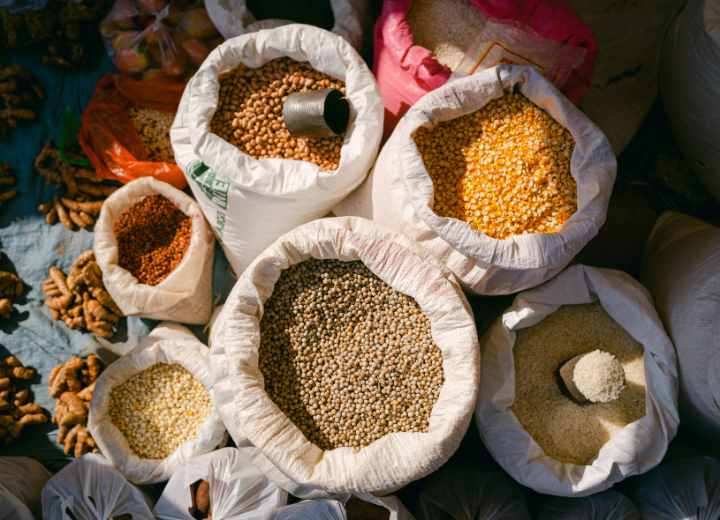
PAMAJA Foods is one of the food-focused businesses within the PAMAJA Group, participating in food production, supply and market development.
The business is positioned around the growing need for reliable food products and efficient food value chains, connecting production activities with consumers, retailers and other market participants.
Through the wider PAMAJA platform, PAMAJA Foods benefits from connections with agriculture, livestock, fisheries and poultry-related businesses.
PAMAJA Waste Management
PAMAJA Waste Management is a sanitation and waste management service provider operating as part of PAMAJA Enterprises East Africa Ltd.
The company supports clients with waste collection and management, professional cleaning, fumigation, facilities management and cleaning materials.
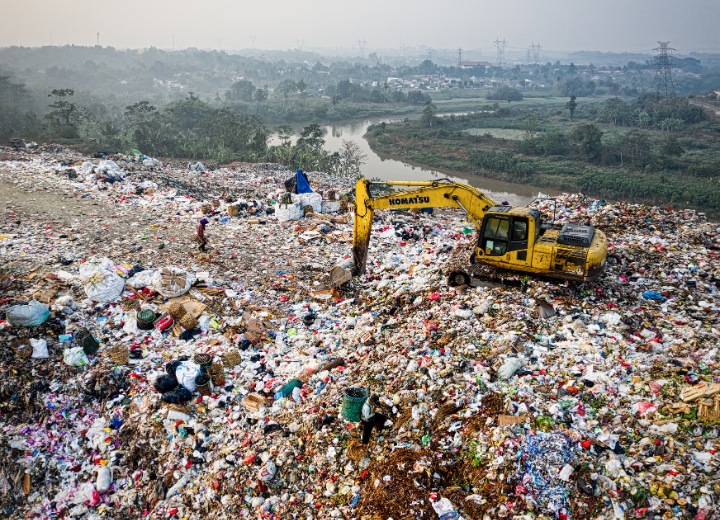
PAMAJA Waste Management is also focused on developing waste-to-value opportunities by collecting and processing waste into useful products including nutritious protein for animal feed, fertilizer and other value-added products for local and overseas markets.
Waste Management & Collection
Reliable collection and handling support for commercial, institutional and residential waste streams.
Professional Cleaning
Routine and deep cleaning for offices, schools, hospitals, hostels, homes and shared facilities.
Cleaning Materials Supply
Cleaning supplies, tools, containers and protective equipment for facility teams.
Scheduled Cleaning
Daily, weekly, periodic and seasonal cleaning plans matched to site needs.
Fumigation
Environmentally responsible fumigation support for homes, hospitals, schools and offices.
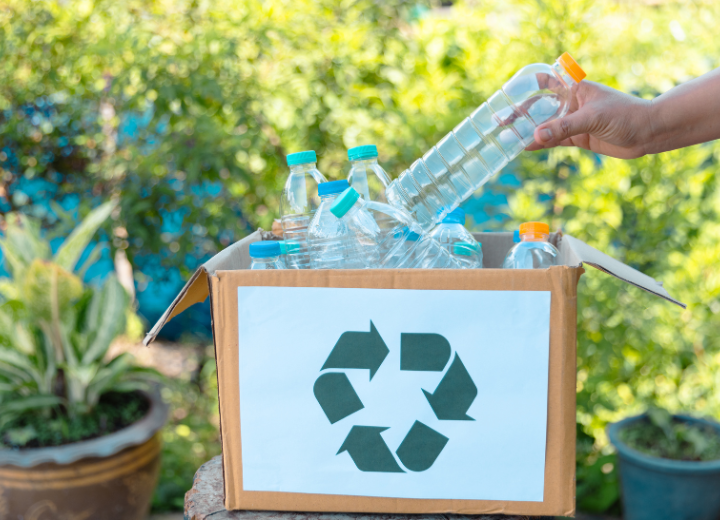
Recycling Services
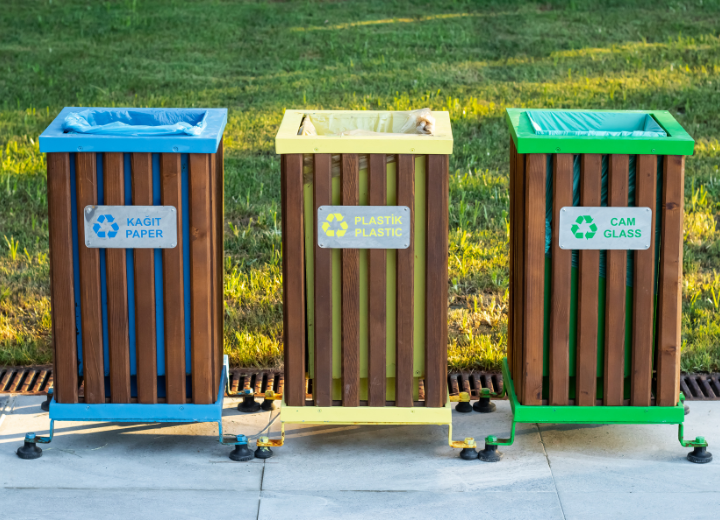
Collection and processing of materials that can be recovered and transformed into useful products.

Our Circular Economy Principle
PAMAJA Waste Management applies a circular economy approach focused on keeping resources in use for as long as possible, extracting value from waste and recovering materials at the end of their useful life.
PAMAJA MeatCO
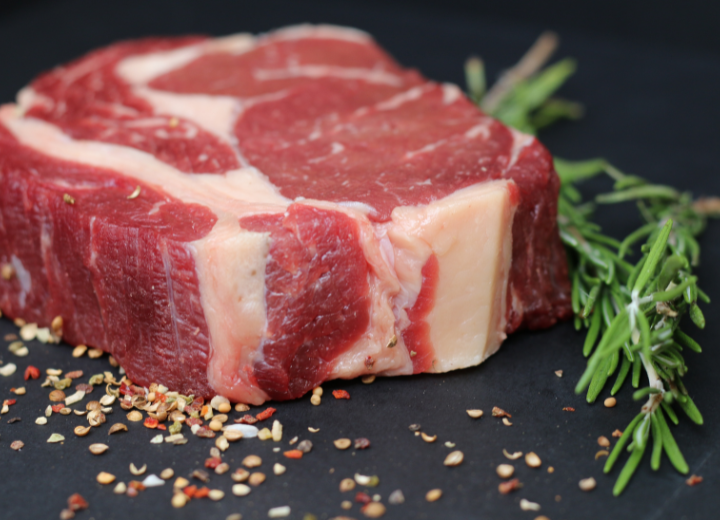
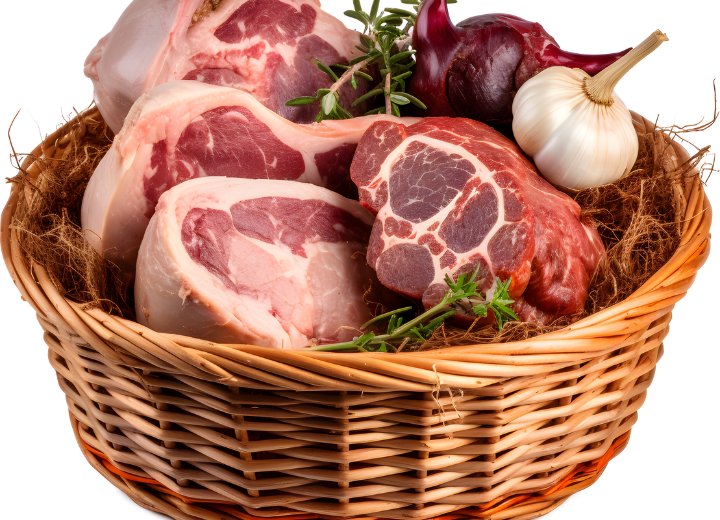
Pamaja MeatCO is an integrated livestock and poultry aggregation value-chain company and a subsidiary of Pamaja Enterprises East Africa Ltd.
The company focuses on developing modern infrastructure for livestock and poultry aggregation, meat production, leather processing and distribution.
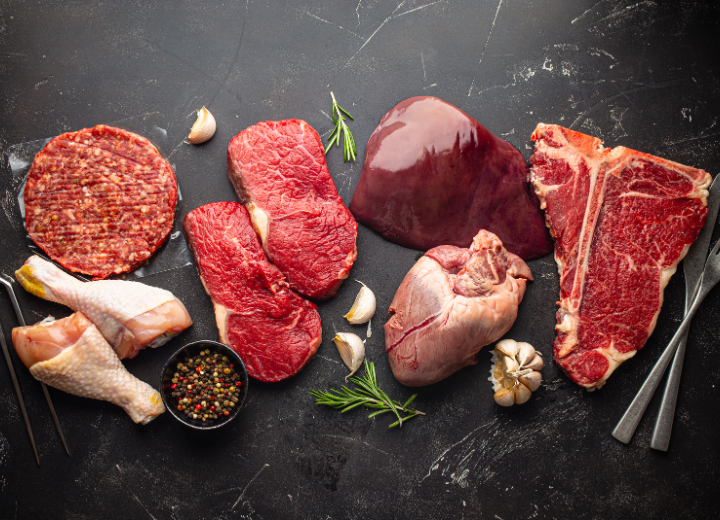
Pamaja MeatCO aggregates cows, sheep and goats from pastoral communities and transforms them into high-value meat and leather products for domestic and export markets.
By combining feedlot operations, breeding programs, meat processing facilities, storage and transportation, Pamaja MeatCO is developing an integrated livestock supply chain platform connecting producers to markets.
Livestock Aggregation
Sourcing cows, sheep and goats through contract farmers, producer organizations and community livestock hubs.
Feedlot Operations
Controlled feeding, veterinary health management, weight-gain optimization and standardized grading.
Breeding Programs
Supporting high meat-yield breeds, disease resistance, fertility and improved growth rates in collaboration with pastoralist communities and cooperatives.
Meat Processing
Hygienic meat processing producing chevon, mutton and other meat products for domestic and export markets.
Leather Processing
Hide and skin collection, tanning and leather finishing for local manufacturing and export markets.
Meat Supply & Distribution
Supplying supermarkets, hotels and restaurants, wholesalers, export markets and institutional buyers.
From Pastoral Communities to Market
Pamaja MeatCO's integrated approach connects livestock producers with feedlot operations, processing, distribution and markets.
Producers
Working with pastoral communities, contract farmers, producer organizations and livestock hubs.
Aggregation
Aggregating cows, sheep and goats to support a consistent supply of animals.
Feedlots
Controlled feeding and veterinary management designed to improve weight and meat quality.
Processing
Hygienic meat processing and value addition for domestic and export markets.
Leather
Hides and skins are collected and processed into leather products.
Distribution
Products are supplied through retail, hospitality, wholesale, institutional and export channels.
Samaki Wetu Tanzania
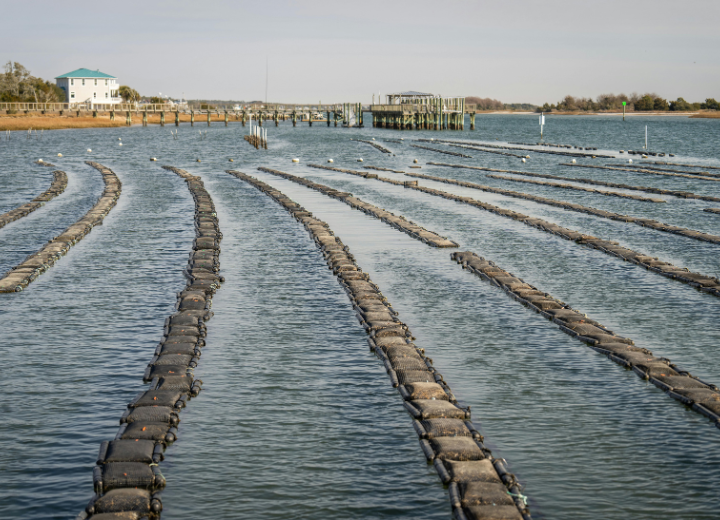
Samaki Wetu Tanzania is a vertically integrated aquaculture business combining cage production, hatchery operations, feed-related activities, distribution and sales outlets in Tanzania.
The business is designed to connect fish production with markets while creating opportunities for fishing communities, farmers, waste collectors, distributors and strategic partners.
At the production site, fish are fed plant-based feed over several months to reach table size while fish welfare principles are maintained throughout the production process.
At harvest, fish are placed on ice and packed into ice-filled boxes in the onshore processing area before distribution through depots, sales points, farmgate sales, third-party distributors and traders across Tanzania.

Samaki Wetu Smallholder Outgrower Services
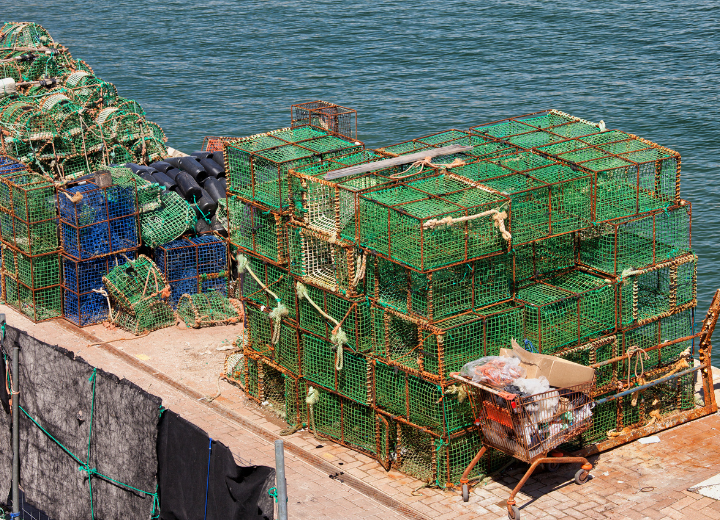
The model is designed to empower fishing communities through market access, collective action and waste-to-value opportunities.

The Challenges We Are Solving
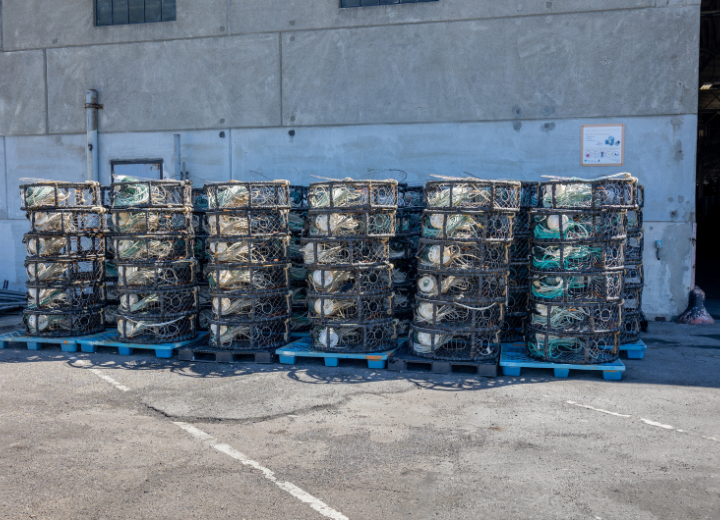
Fishing communities can face limited market access, environmental pollution from fish waste and a fragmented value chain that reduces bargaining power and access to larger market opportunities.
Our Solutions
Samaki Wetu addresses these challenges through market connections, waste-to-value recycling and YIGO cooperative groups that support collective bargaining, knowledge sharing and access to resources.
YIGO Groups — Success Together
YIGO groups connect fishermen, seaweed farmers, markets and financial access through collective action.
How Samaki Wetu Works
A circular value-chain model connecting communities, markets and recycled resources.
Registration & Onboarding
Fishermen and seaweed farmers register and connect with local YIGO cooperative groups.
Harvest & Collection
Products are harvested and taken to collection points where quality checks are performed.
Market Connection
Products are connected with buyers through market channels and the e-commerce platform.
Waste Collection
Fish waste is collected from markets and processing facilities.
Waste Processing
Collected waste is processed using sustainable methods to create aquaculture feed.
Distribution
Recycled feed is distributed to local fish farmers, completing the circular model.
Poultry Farming
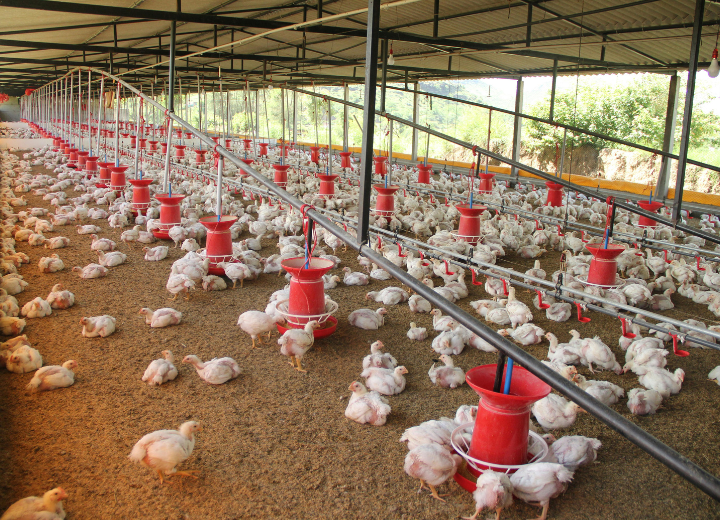
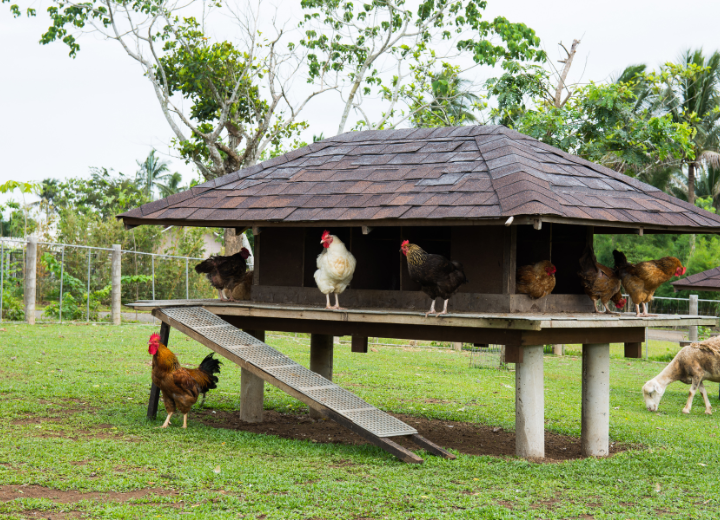
PAMAJA Poultry Farming is part of the Group's agricultural and food-production portfolio, focusing on poultry production and opportunities across the poultry value chain.
Poultry farming contributes to the wider PAMAJA ecosystem by connecting animal production with food supply, agricultural inputs, markets and related businesses.
The business is positioned around responsible production practices, animal welfare, quality, efficient farm management and market-oriented production.
Supporting Multiple Sectors Across the Value Chain
Our five businesses give PAMAJA Group a presence across interconnected industries, from primary production to processing, environmental services and market distribution.
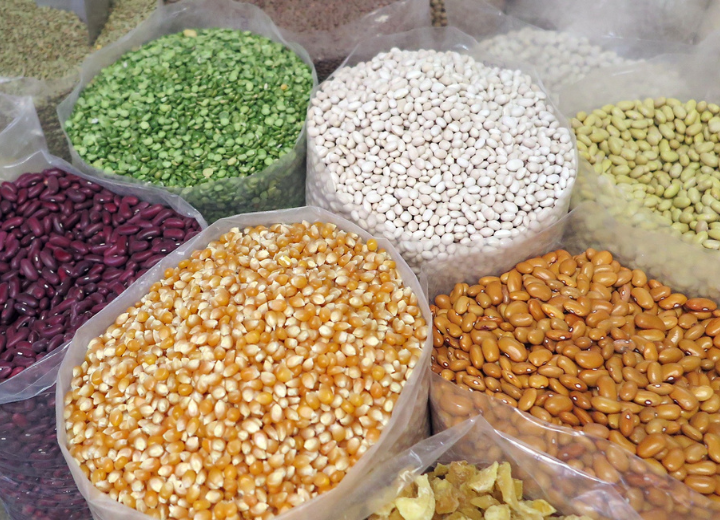
Agriculture & Food Production
Food production, agricultural value chains, supply and market development.
Environmental Services
Waste collection, sanitation, cleaning, fumigation, recycling and waste-to-value solutions.
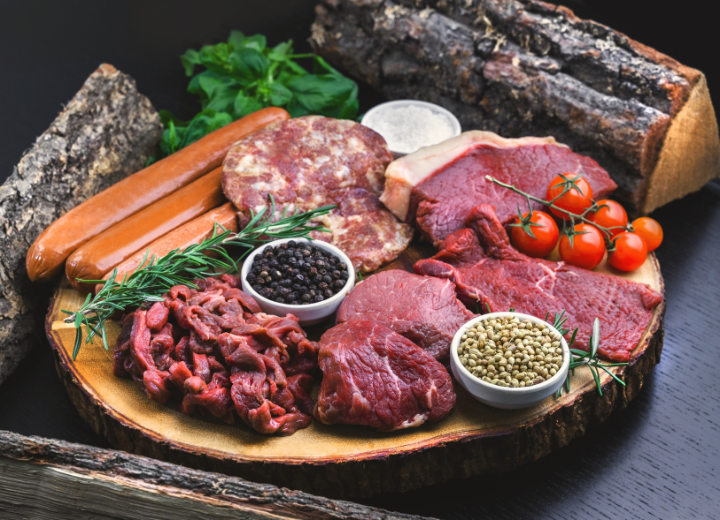
Livestock & Meat
Livestock aggregation, feedlots, breeding, processing, leather and meat distribution.
Fisheries & Aquaculture
Fish production, aquaculture, hatchery, market access, distribution and community development.

Poultry & Animal Production
Poultry farming, animal production, farm management and food supply.
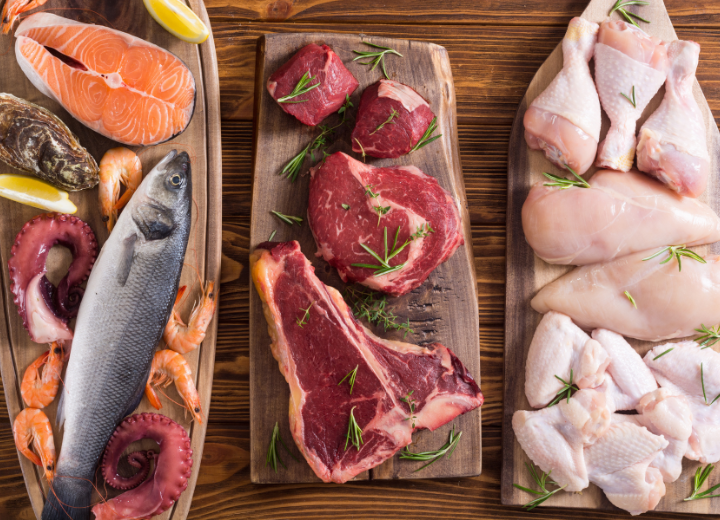
Food Distribution & Retail
Supermarkets, hotels, restaurants, wholesalers, institutions and other food-market channels.
Our Businesses Across the Value Chain
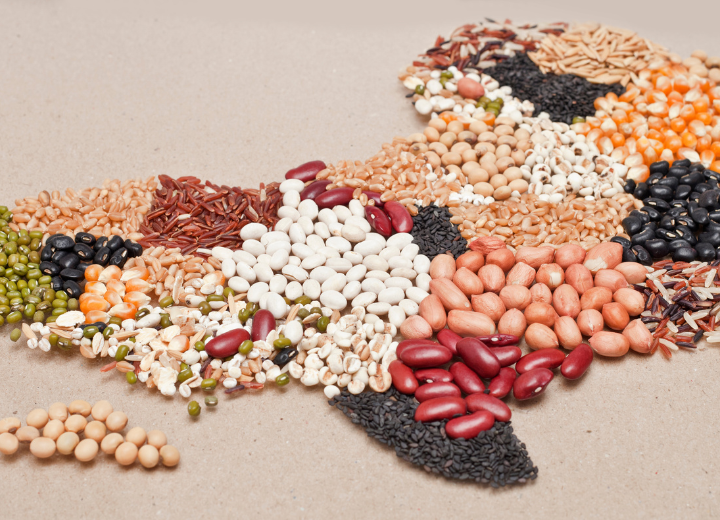
A visual look at some of the activities represented across the PAMAJA Group business portfolio.
Discover the PAMAJA Group
From food and agriculture to livestock, fisheries, poultry and environmental management, PAMAJA Group is building connected businesses designed to create value across Tanzania and beyond.
Contact PAMAJA Group →