
Samaki Wetu Tanzania
A vertically integrated aquaculture business connecting cage production, hatchery operations, feed production, distribution, sales outlets and fishing communities across Tanzania.
Building a Sustainable Aquaculture Value Chain
Samaki Wetu Tanzania is an aquaculture business within PAMAJA Group focused on developing an integrated fish production and market ecosystem in Tanzania.
Our model combines cage production, hatchery activities, feed production, processing, distribution and sales outlets while creating opportunities for fishing communities and smallholder producers.
Through market access, cooperative organization and waste-to-value systems, Samaki Wetu seeks to connect people, markets and resources in a more circular and sustainable way.
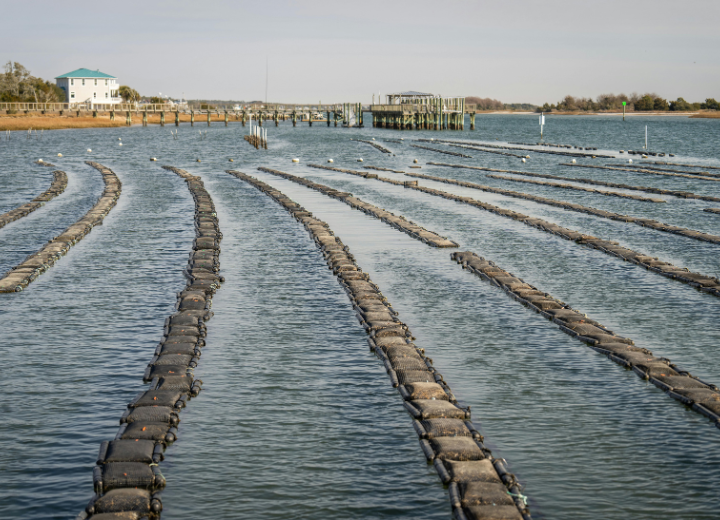
From Fish Production to Market
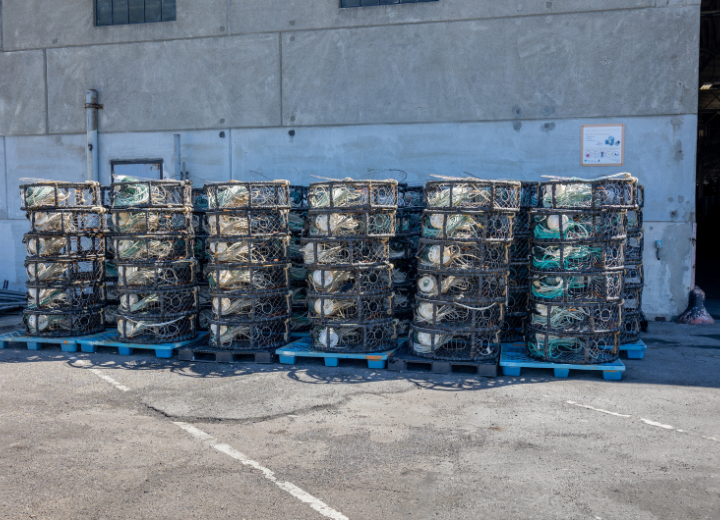
Samaki Wetu's vertically integrated model connects production, harvesting, processing and distribution to create a coordinated aquaculture value chain.
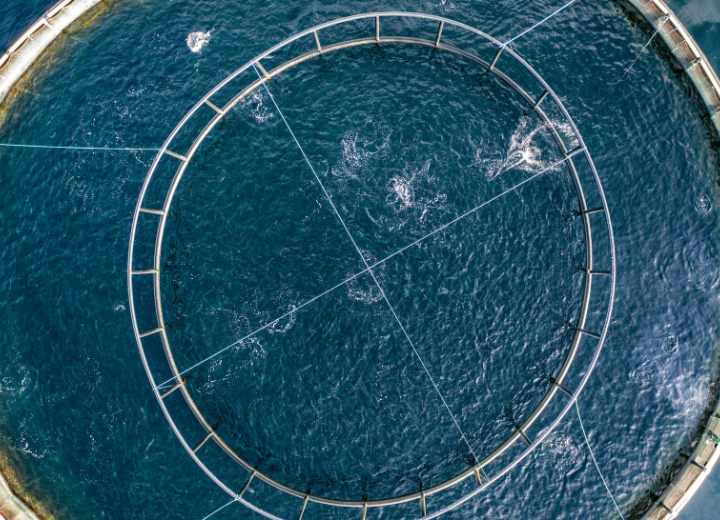
Production Site
Our fish are fed plant-based feed over several months to grow them to table size while upholding fish welfare principles throughout the production process.
- Cage-based fish production
- Plant-based feed approach
- Growth toward table size
- Fish welfare considerations
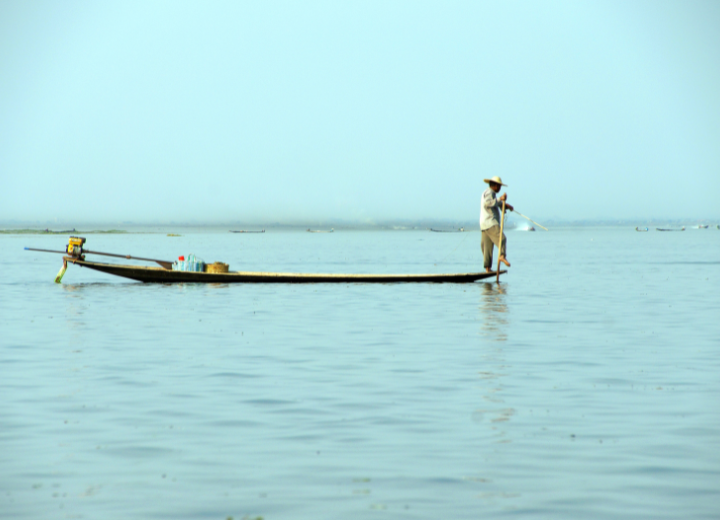
Harvest, Processing & Distribution
At harvest, fish are placed directly on ice and packed into ice-filled boxes in the onshore processing area.
The fish are then distributed through our depot and main sales point or sold farmgate to third-party distributors and traders across Tanzania.
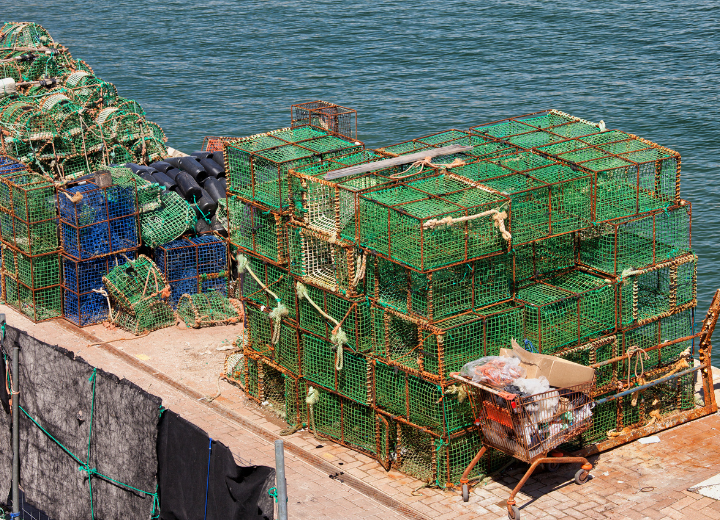
Empowering Fishing Communities Through Market Access
Samaki Wetu Tanzania aims to empower fishing communities by improving market access while transforming fish waste into valuable resources.
Our approach is designed to create stronger links between producers, markets, financial opportunities, cooperatives and sustainable waste management.
Problems Facing Fishing Communities
Tanzanian fishing communities face challenges that can limit economic opportunities while creating environmental pressures. Samaki Wetu addresses these challenges through an integrated model.
Limited Market Access
Fishermen can depend heavily on middlemen, potentially receiving only a fraction of the market value of their catch and limiting their ability to build stronger businesses.
Environmental Pollution
Fish waste that is improperly discarded can contribute to pollution in communities and create pressures on aquatic ecosystems.
Fragmented Value Chain
Individual fishermen may have limited bargaining power and fewer opportunities to participate in larger markets.
Connecting People, Markets & Resources
Samaki Wetu combines digital market access, waste-to-value recycling and cooperative organization to create a connected ecosystem.
E-commerce Platform
Our platform is designed to connect fishermen directly with buyers, reducing dependence on middlemen and supporting more transparent market relationships.
Waste-to-Value Recycling
We collect and transform fish waste into high-quality, affordable aquaculture feed, reducing waste while creating another useful resource.
YIGO Cooperative Model
YOUTH IN GREEN ORGANIZATION (YIGO) groups bring fishermen together for collective bargaining, knowledge sharing and access to financial resources.
Join Our Mission to Transform Tanzania's Fishing Industry
Together, we can create sustainable livelihoods for fishing communities while protecting our marine and aquatic environment through responsible production and circular economy solutions.
Get Started TodayYIGO Groups — Success Together
Our cooperative groups empower fishing communities through collective action, knowledge sharing and improved access to resources and markets.
Fishermen
Seaweed Farmers
Markets
Financial Access
How YIGO Group Benefits You
Collective Strength
Individual fishermen and farmers gain collective bargaining power, supporting bulk sales and stronger price negotiations.
Knowledge Sharing
Members share best practices, techniques and insights that can improve production methods and quality standards.
Financial Access
Cooperative organization can create stronger pathways toward financial institutions, loans and other forms of financial support.
Security & Support
Members benefit from a support network for navigating challenges, sharing resources and building community resilience.
How Samaki Wetu Works
Our circular economy model connects fishing communities to markets while recycling waste into valuable resources.
Registration & Onboarding
Fishermen and seaweed farmers register on the platform and are connected to local YIGO cooperative groups.
Harvest & Collection
Members harvest their products and bring them to collection points where quality checks are performed.
Market Connection
Products are listed through the e-commerce platform to connect producers directly with buyers.
Waste Collection
Waste collectors gather fish waste from markets and processing facilities.
Waste Processing
Collected waste is processed using sustainable methods to create aquaculture feed.
Feed Distribution
Recycled feed is distributed to local fish farmers at affordable prices, completing the circular model.
Turning Waste Into Valuable Resources
Samaki Wetu connects fishermen, markets, waste collection, recycling, feed production and fish farming into a circular value chain.
Fishermen
Producers supply fish and participate in the connected ecosystem.
Markets
Products are connected with buyers through market channels.
Waste Collection
Fish waste is collected from markets and processing activities.
Recycling
Waste is transformed into useful resources through recycling.
Feed Production
Recycled resources are transformed into aquaculture feed.
Fish Farming
Affordable feed returns to fish farming, completing the cycle.
There Is a Place for You in Our Ecosystem
Whether you are a fisherman, waste collector or potential partner, there is an opportunity to participate in the Samaki Wetu ecosystem.
Fishermen & Farmers
Get reliable market access, better prices and join a supportive community of fellow producers.
Register Now →
Waste Collectors
Find employment opportunities and develop new skills through our innovative recycling program.
Apply Today →
Partners & Investors
We welcome organizations interested in sustainable aquaculture, environmental conservation and community development.
Contact Us →Build the Ecosystem With Us
Samaki Wetu welcomes partnerships that can strengthen aquaculture production, community development, environmental conservation and market access.
Technology Providers for Waste Recycling
Financial Institutions for Fishermen
NGOs & Blue Economy Organizations
Impact Investors
Distribution & Logistics Partners
Our Impact Is Our Mission
The potential impact of Samaki Wetu is the reason the venture came to life. Our ambition is to create economic, social and environmental value.
Community
At full scale, Samaki Wetu aims to directly employ more than 200 people from local communities and benefit several hundred additional people active in the downstream fish value chain, including traders and distributors.
The business also aims, at full scale, to distribute sustainably produced fish to close to half a million people in the region.
Women Empowerment
Samaki Wetu is committed to empowering women and aspires to be a trailblazer in the region. The vision extends beyond simply employing at least 50% women in the workforce to supporting a more gender-equitable aquaculture sector and society.
Environment
Environmental conservation is central to Samaki Wetu's aquaculture approach. The cage culture site is carefully selected to facilitate nutrient effluent utilization for local primary production while supporting fish communities and water quality.
Creating Value Across the Ecosystem
Samaki Wetu creates opportunities for fishermen, farmers, waste collectors, partners and investors.
Fishermen & Farmers
- Direct Market Access: Connect directly with buyers and reduce dependence on middlemen.
- Cooperative Strength: Join YIGO groups for collective bargaining, shared knowledge and bulk selling.
- Financial Inclusion: Improve access to financial institutions and credit opportunities.
- Stable Income: Build more consistent revenue through reliable market connections.
Waste Collectors
- Sustainable Employment: Meaningful work collecting fish waste for recycling operations.
- Skills Development: Training in waste management and recycling techniques.
- Community Impact: Contribute directly to environmental conservation and economic growth.
- Career Growth: Opportunities within expanding waste-to-value operations.
Partners & Investors
- Environmental Impact: Support efforts to reduce marine pollution and promote sustainable aquaculture.
- Social Development: Support community empowerment and economic growth.
- Innovative Model: Participate in a circular economy approach to the blue economy.
- Scalable Solution: Participate in a model with potential for expansion across East Africa.
Building Around Tanzania's Aquatic Resources
Samaki Wetu's aquaculture vision is connected to Tanzania's important freshwater and fishing ecosystems. Our cage culture approach places environmental considerations and water quality at the center of production planning.
The Lake Tanganyika region represents an important context for sustainable aquaculture development, community livelihoods and aquatic resource management.

Be Part of Samaki Wetu's Mission
Join us in transforming Tanzania's fishing industry through sustainable aquaculture, circular economy solutions, responsible resource use and community empowerment.